Solo style Profile
The Resourceful Improviser
There’s probably a way.
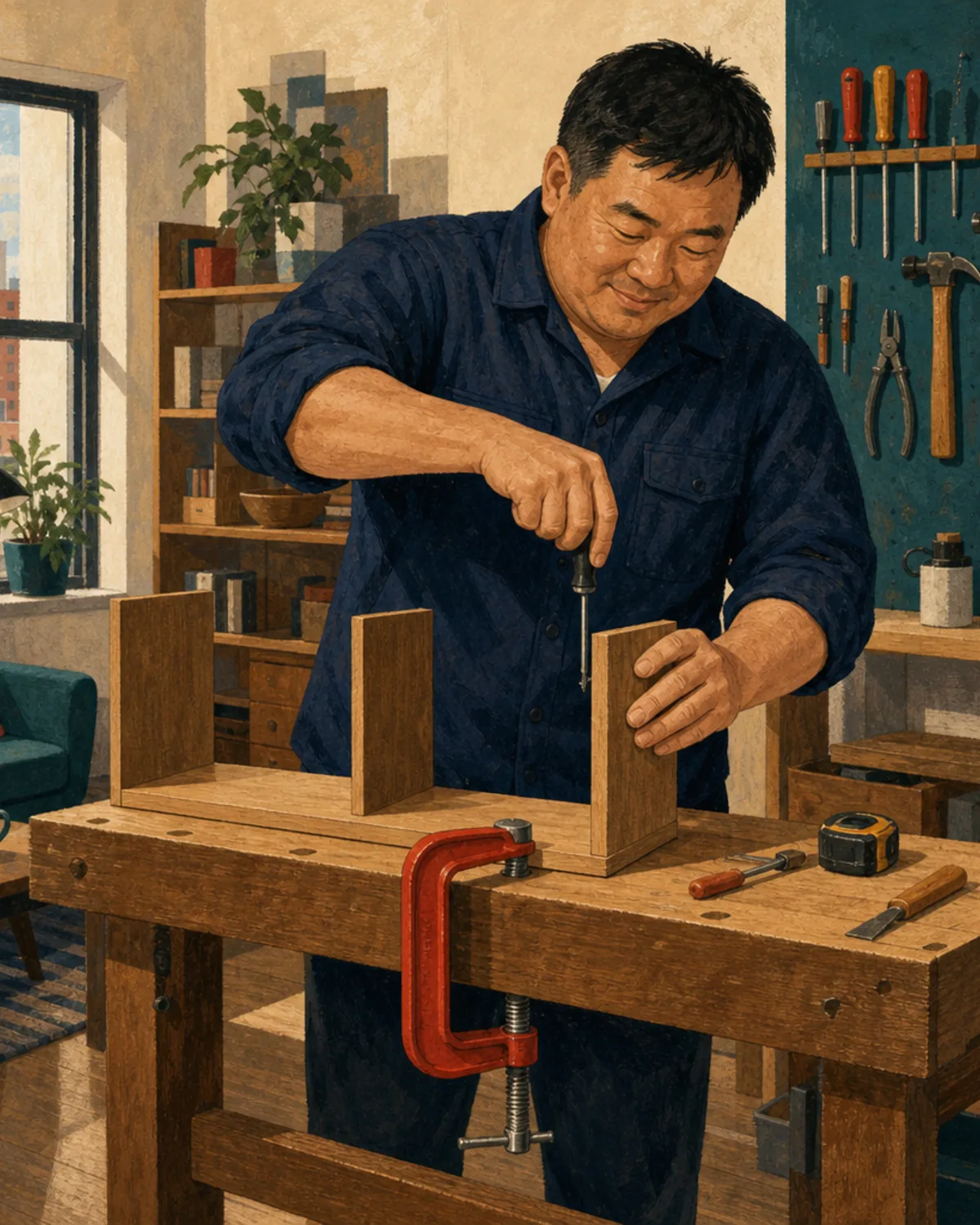
Give you an awkward problem and a little time, and you’re likely to produce an ingenious solution. You appreciate versatile tools, unlikely workarounds, and the satisfaction of figuring something out yourself. Sometimes the process is almost as entertaining as the outcome.
- Your Solo Superpower
- Finding a way when the obvious way doesn’t work.
- Possible weakness
- The quick fix occasionally turns into an ambitious engineering project.
From the archive ·
A Little Solo History
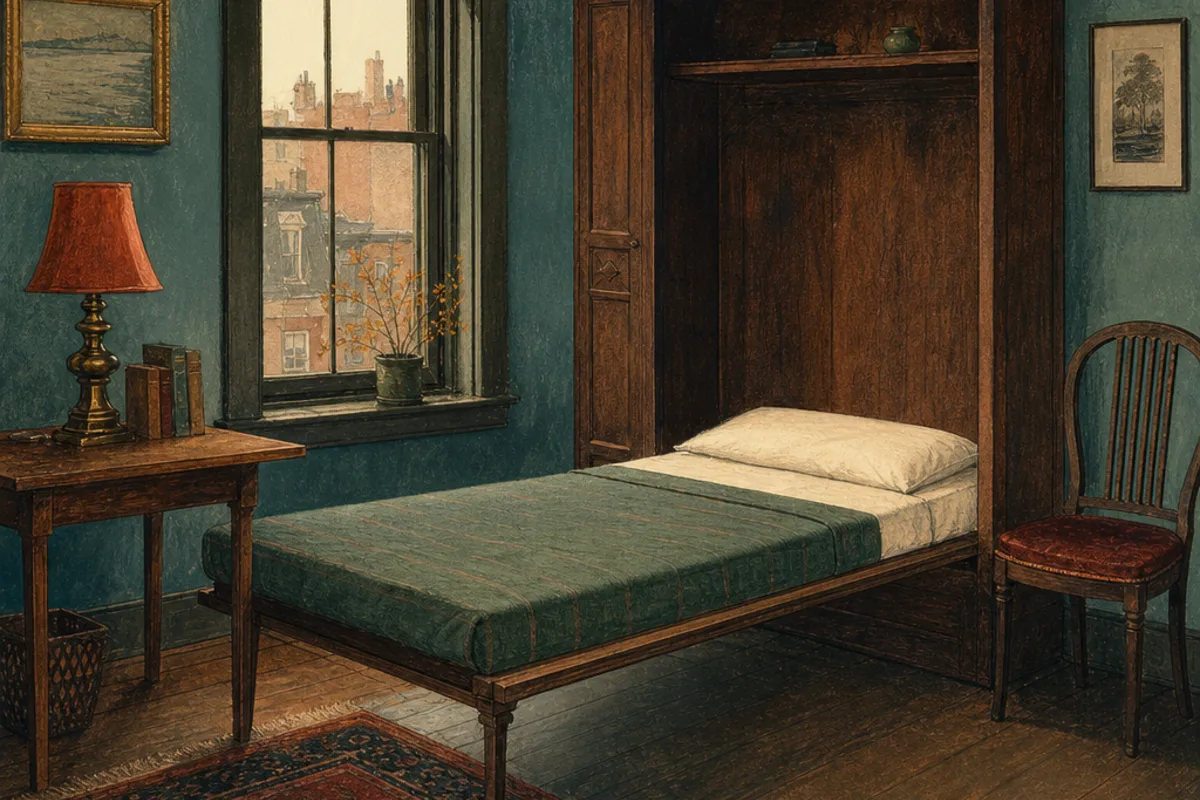
The bed that disappeared
In the early twentieth century, William Lawrence Murphy developed a folding bed that could disappear into a closet, allowing a small room to serve different purposes. Murphy filed a patent application in April 1911, and his “Disappearing Bed” patent was granted on June 18, 1912. It is an appealing example of a practical problem inviting an ingenious mechanical solution.
Editorial sources
The guide
Your Secret Second Pair of Hands
A surprising number of jobs become manageable when you can hold, lift, steady, measure, or move something intelligently—but some jobs truly require assistance.
Learn to stabilize before you work
Safe positioning, a stable work surface, and appropriate support.
Keep a small set of versatile clamps
Temporarily hold pieces while assembling or repairing.
Build a compact, capable toolkit
Measuring, fastening, gripping, and basic assembly.
Use moving aids where appropriate
Furniture sliders or a suitable dolly for manageable loads.
Know when not to improvise
Heavy lifts, hazardous repairs, and tasks requiring qualified help.
Who needs a second pair of hands? Occasionally you. The rest of the time, a good clamp.
Further reading
- How to Assemble Furniture AloneThe flat-pack instructions show two cartoon people. Here's how to assemble furniture alone, using clamps, walls and the floor as your second pair of hands.
- How to Move a Mattress by YourselfHow to move a mattress alone without hurting your back or wrecking the mattress, plus the one popular tool that's actually a two-person tool.
- How to Move Heavy Furniture AloneRearranging a room with no one to take the other end? How to move a dresser, couch or bookcase by yourself using leverage instead of muscle.
- How to Hang Pictures Straight by YourselfNo one to stand back and say "a little to the left"? How to hang pictures level and in the right spot by yourself, using paper, tape and one good tool.